
We were unable to collect accurate data regarding electronic infrastructure costs (including both staff time and equipment costs) from most of the libraries in the study, because it was so difficult for them to apportion these expenses reliably to periodicals or to the various periodical formats. We therefore excluded the electronic infrastructure costs from the findings and analysis presented in the body of this report. Fortunately, we were able to collect electronic infrastructure costs from three libraries-Drexel University, George Mason University, and the University of Pittsburgh. This appendix reports on those costs.
The data in this appendix include all the costs included in the body of the text, with the addition of staff time expenditures devoted to electronic infrastructure at Drexel, George Mason, and Pitt, as well as the equipment costs for electronic infrastructure at Drexel and Pitt. Although we were able to determine a total cost for equipment devoted to electronic infrastructure for periodicals at George Mason, we were unable to estimate a breakdown by format. Its equipment costs therefore cannot be included in our model. Equipment cost allocations at the other two universities are only estimates, since allocating these costs properly is not a science.
In developing the life-cycle model for the electronic infrastructure costs for both the print and electronic formats, we elected to handle the equipment costs differently from the staff time. Equipment was assumed to depreciate on a five-year basis. Taking this depreciation into account, we considered equipment to constitute an annually recurring cost. Staff time was distributed as 20% recurring and 80% one-time, since we assume that staff time varies much more by the number of periodicals titles than by the number of title-years in the collection. This assumption, while we believe it to be appropriate, is a further source of possible error in the numbers presented in this appendix.
Using the assumptions as they have been outlined, we calculated the per-title life-cycle costs including electronic infrastructure, in comparison with the costs excluding infrastructure. Figure A1 illustrates the differentials for the electronic format, while figure A2 shows them for the print format. With the exception of Drexel, which has already completed its format transition, the cost differentials are not large for either format.
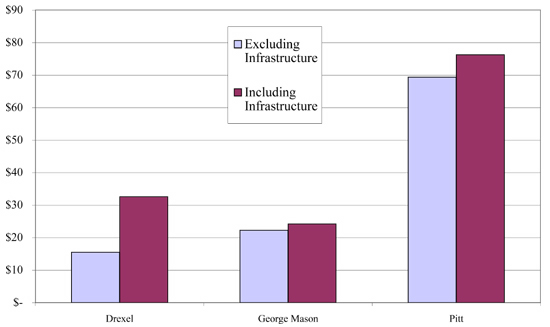
Fig. A1. Electronic life-cycle findings, both with and without electronic infrastructure
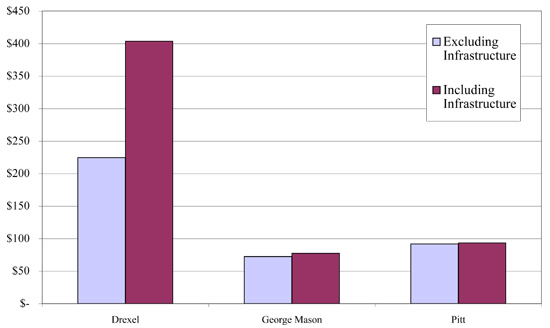
Fig. A2. Print life-cycle findings, with and without electronic infrastructure
Figure A3 presents the total savings that might be expected after a complete transition to electronic format. Our approach here is identical to the approach we took in figure 11. There is a modest decline in the expected cost advantage at Pitt, although at the medium-size schools the expected cost advantage increases. We made no attempt to speculate on whether these results might be representative for the other schools in our study. Moreover, given the many assumptions necessary to report our findings and analysis, including electronic infrastructure costs, no claim of validity for the three libraries included in this appendix can be offered. Nevertheless, it is notable that the addition of electronic infrastructure costs does not change the direction of the results at any of these three schools: Savings continue to be anticipated. This analysis calls into question the widely held belief that electronic infrastructure costs are a principal driver of the cost differences between the formats. This area clearly calls for further inquiry.
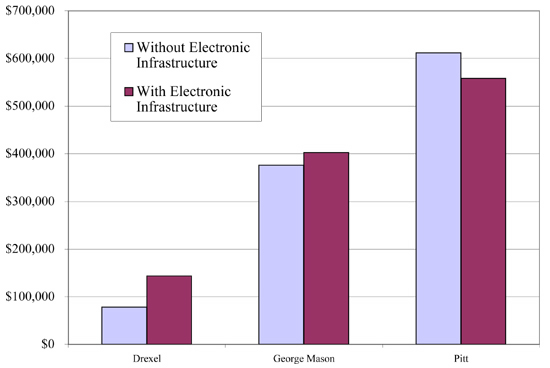
Fig. A3. One year after a complete transition from print to electronic (total cost differential over 25-year life cycle)