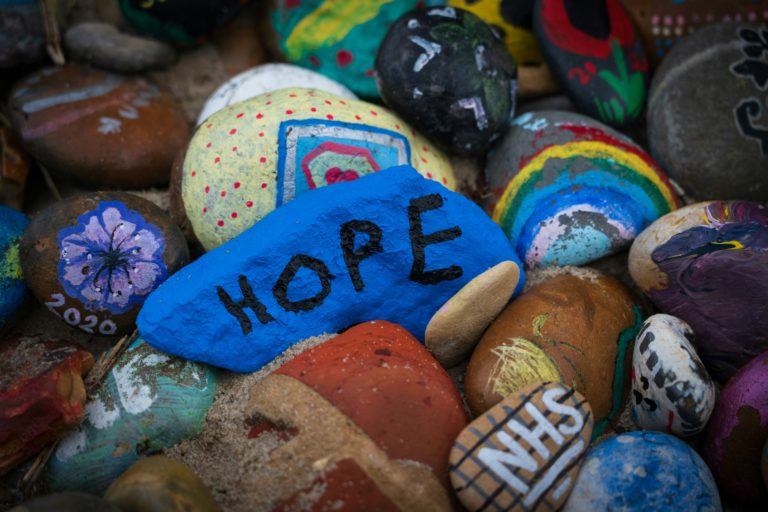
Making the Case for Hope: The Idea of a Not for Profit in a Fractured Time
A Message from the President This post is also available in: Arabic, French, German, Italian, Māori, Spanish, and Swahili Hope, defined in general terms as
Home > CLIR News

A Message from the President This post is also available in: Arabic, French, German, Italian, Māori, Spanish, and Swahili Hope, defined in general terms as
The Council on Library and Information Resources (CLIR) and Bibliothèques national de France (BnF) signed a memorandum of understanding April 10, 2025, supporting data-sharing between

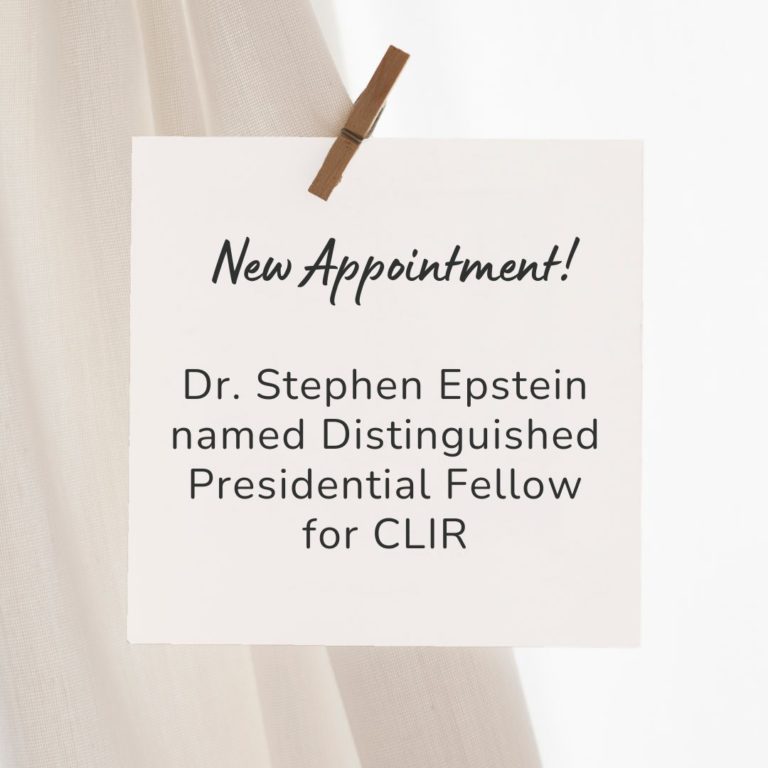
Washington, DC, March 10, 2025—Dr. Stephen Epstein has been appointed as a Distinguished Presidential Fellow by the Council on Library and Information Resources (CLIR) for

$5 Million Mellon Grant Fuels Next Phase of CLIR’s Effort to Unearth Hidden Histories Fourth Cycle of Digitizing Hidden Collections: Amplifying Unheard Voices Expands Access

The Council on Library and Information Resources (CLIR) is now accepting applications for the digital reformatting of audio and audiovisual materials through its Recordings at

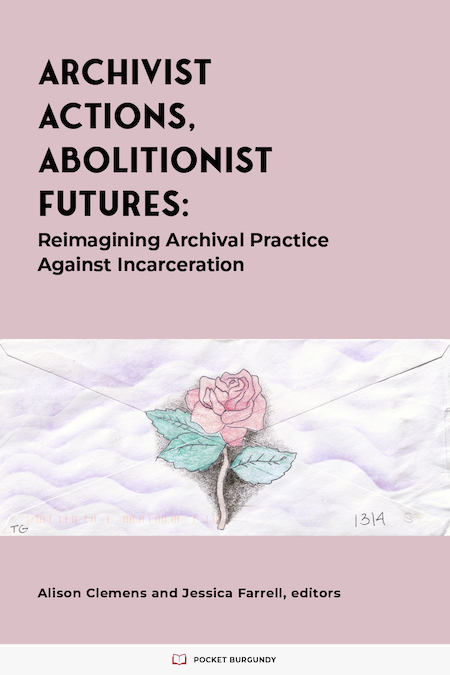
Alexandria, VA, January 9, 2025—The Council on Library and Information Resources (CLIR) is pleased to announce the publication of Archivist Actions, Abolitionist Futures: Reimagining

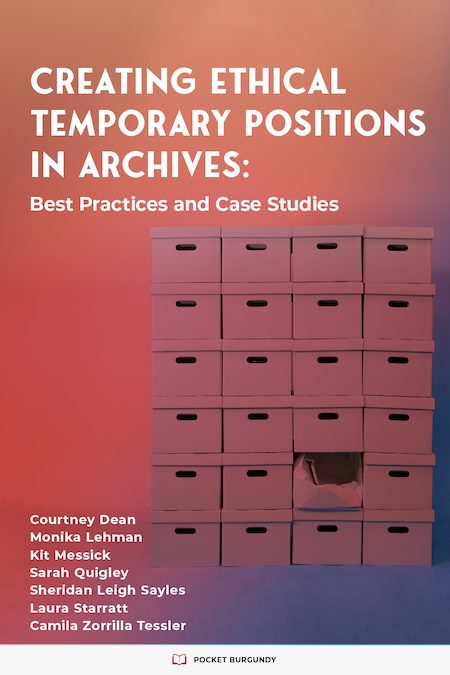
Alexandria, VA, December 2024—The Council on Library and Information Resources (CLIR) is pleased to announce the release of Creating Ethical Temporary Positions in Archives:

CLIR Announces Digitizing Hidden Collections: Amplifying Unheard Voices Awards $4 Million Awarded to 18 Projects in the US and Canada Contact: Hidden Collections Team

CLIR congratulates Jenny Ferretti on her move to administer the Texas After Violence Project, which we support as foundational to the enrichment of our national

CLIR News No. 156 Fall 2024 Letter from the Editor Gaza’s Cultural Heritage and the Ruin of War By Charles Henry, president Read More CLIR

By William Carter As society continues its march into the digital era, the need to preserve historical records and make them accessible to the public

In a world where memory is often institutionalized and tucked away in remote repositories, T-Kay Sangwand is pioneering a different approach—one that centers communities in