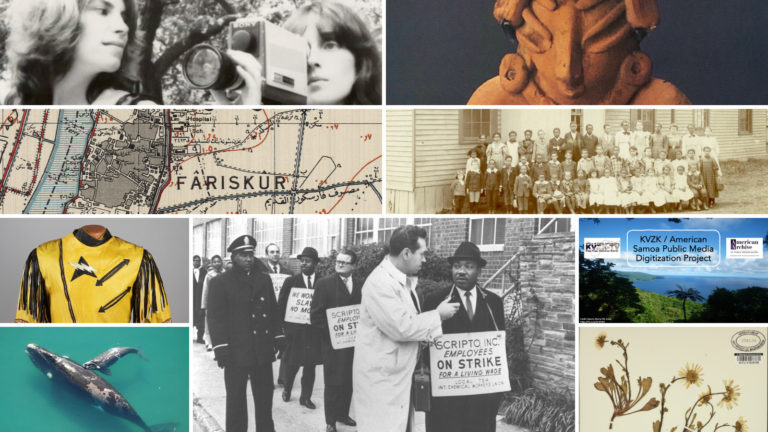
CLIR Announces 2020 Digitizing Hidden Special Collections and Archives Awards
Washington, DC, March 31, 2021—The Council on Library and Information Resources (CLIR) today announced the award of $4.02 million to fund 16 digitization projects through
Home > CLIR News

Washington, DC, March 31, 2021—The Council on Library and Information Resources (CLIR) today announced the award of $4.02 million to fund 16 digitization projects through


Researchers will develop a report on needs, capacity, and technical planning for the HBCU Library Alliance community The HBCU Library Alliance and the Council

Gayle Schechter is program associate for CLIR’s Digital Library Federation (DLF) Before we get into the subject of DLF’s working groups during COVID-19, can you

By Francesca Saldan, M.A., museum curator For the first time, there are five generations in the workplace. Traditionalists, Baby Boomers, Gen-Xers, Millennials, and Gen-Zers can

The Council on Library and Information Resources (CLIR) is now accepting applications for Digitizing Hidden Special Collections and Archives: Amplifying Unheard Voices. The competition, funded

CLIR seeks proposals from research and assessment professionals or small teams with experience in conducting program evaluations in the nonprofit and/or higher education sectors to

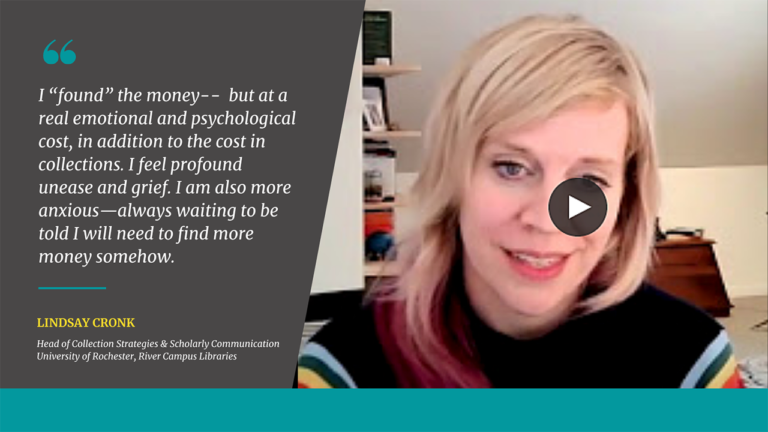
Lindsay Cronk is head of collection strategies and scholarly communication at the University of Rochester, River Campus Libraries. I’m Lindsay Cronk, a collection
Number 139 January/February 2021 ISSN 1944-7639 (online version) Contents Mellon Foundation Funds CLIR’s Digitizing Hidden Collections and Archives: Amplifying Unheard Voices Three Questions with CLIR

The award supports a shift in thematic focus to collections of historically marginalized people, has a shortened application period, and opens eligibility to Canadian nonprofit

A new CLIR report presents recommendations from a symposium focused on equitable practices for enhancing engagement with librarians, archivists, and other cultural heritage professionals in

Open, reproducible, and reliable research is critical for the scientific process. Although sharing data, code, documentation, and workflows associated with papers encourages scholars to turn

In March 2020 CLIR started the COVID (Re)Collections blog series to help people in the information field process COVID-19 and share their responses as